Geology
The Copper Creek project is located to the west of the Galiuro Mountains, in the heart of the southwestern U.S. porphyry copper corridor.
In this area, two major copper belts intersect: a northwest to southeast belt that includes Miami-Globe, Resolution, Ray, and Bisbee mine sites and a west-southwest to east-northeast belt that includes Lakeshore, Silver Bell, San Manuel-Kalamazoo, Safford, and Morenci mine sites.
The project is centered on the Laramide age Copper Creek granodiorite. The granodiorite was emplaced approximately 62 million years ago into Precambrian and Paleozoic sedimentary rocks and early Paleocene Glory Hole volcanics. The Glory Hole volcanics and Copper Creek granodiorite have been intruded by 61 to 62 million year old narrow granodiorite, monzogranite, and quartz diorite porphyry plugs and dykes. Some of these porphyries are closely related the emplacement of hydrothermal breccias and to mineralization. Post-mineralization, Oligocene Galiuro Volcanics cover all rocks on the east and northeast. To the southwest, the district is bounded by a northwest striking range front-fault that down drops Galiuro Volcanics and Miocene Gila Conglomerate against the Laramide and older rocks.
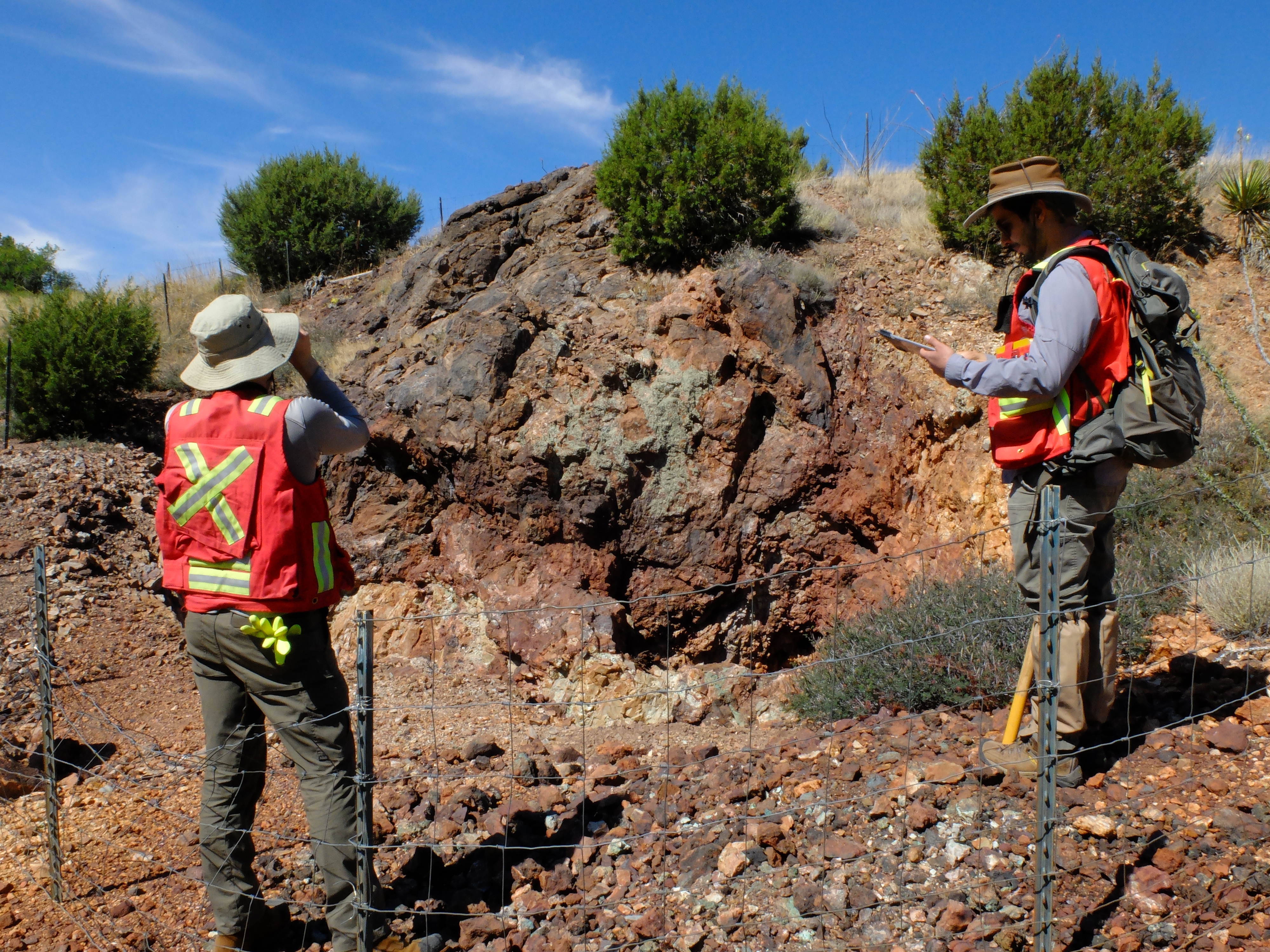
The property features several hundred occurrences of hydrothermal breccias, ranging from a few metres to several hundred metres in width.
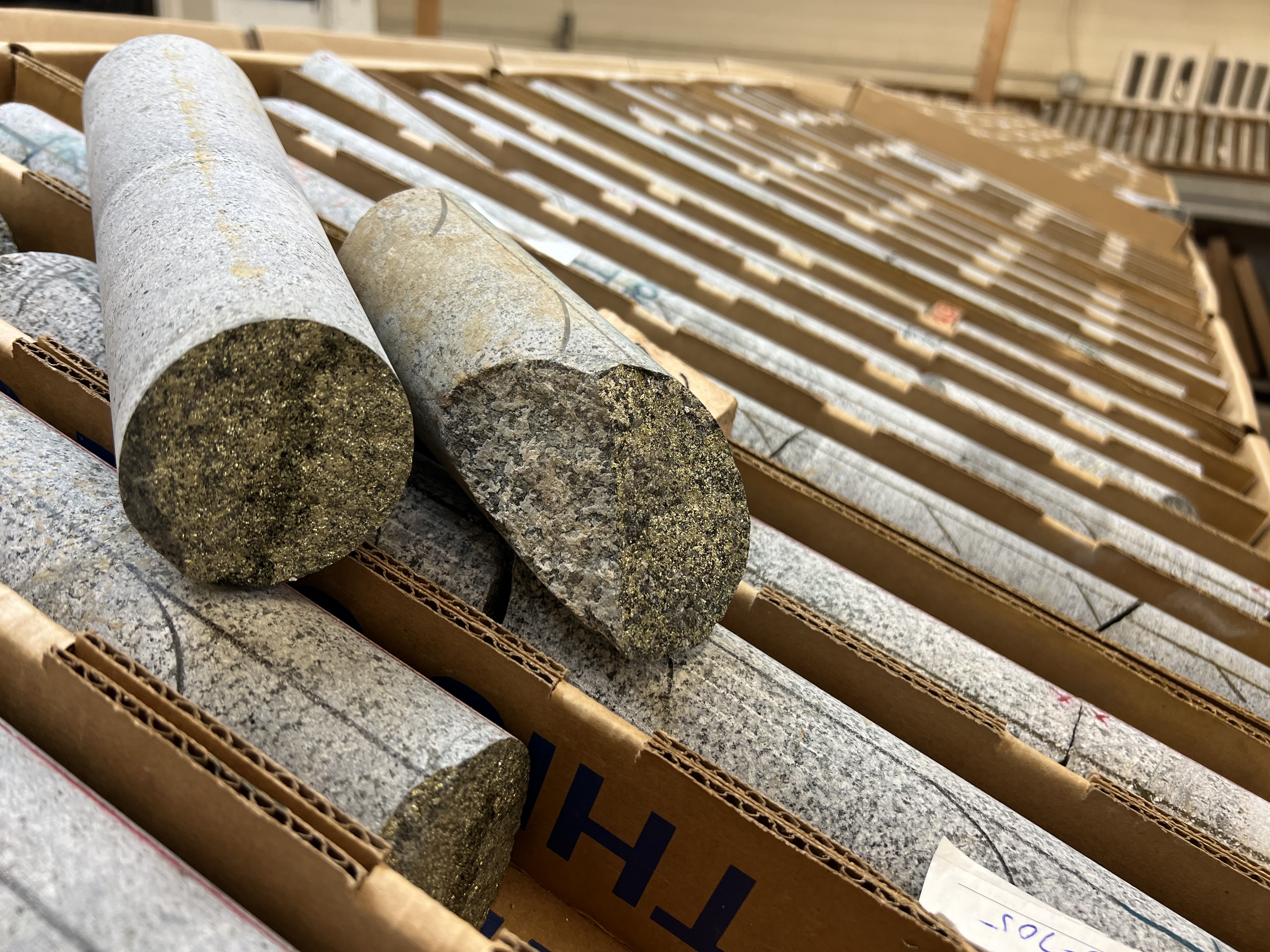
Copper Creek contains multiple styles of copper, molybdenum, and polymetallic silver-copper-lead-zinc mineralization but is best known for the abundance of hydrothermal breccias with high copper grades (commonly >1% copper). Early development of the district, dating back to 1863, focused on the exposed copper- and molybdenum-rich breccia bodies and peripheral silver-lead-zinc veins. Deeper drilling programs during the 1960s and 1970s discovered porphyry-style vein mineralization in the American Eagle and Keel areas at depths between 400 metres and 1,220 metres below surface.
The breccias are largely monomictic and consist of angular to subangular fragments which are cemented by varying combinations of quartz, chlorite, muscovite, carbonate, tourmaline, and locally magnetite, as well as suphides including pyrite, chalcopyrite, bornite, covellite, chalcocite, and molybdenite. Relative levels of copper, molybdenum, gold, and silver vary between breccia bodies. Over 70% of the surface mapped breccia bodies have not been drilled.
Breccia-hosted mineralization has been recognized at vertical depths of more than 1,450 metres. The largest breccia in the current resource, the Mammoth breccia, is not outcropping but was drill-intersected 30 metres below the surface. The Mammoth breccia crosscuts the Keel zone at depth. Keel is interpreted as a magmatic cupola and porphyry zone containing high-grade bornite-chalcopyrite and molybdenite mineralization.